Introduction to NFC and Mobile Payments
The international world is swiftly shifting closer to cashless transactions, and NFC and cellular bills are at the coronary heart of this transformation. From tapping your smartphone at a grocery kiosk to figuring out to buy public delivery with a smartwatch, contactless payments have emerged as a normal part of regular lifestyles.
NFC (Near Field Communication) technology allows fast, regular, and handy transactions without bodily contact. When combined with cellular gadgets, NFC has revolutionized how clients and agencies trade cash.
This manual explains NFC and cell payments in detail, covering how they work, their advantages, protection capabilities, packages, and destiny scope.
What Is NFC Technology?
NFC (Near Field Communication) is a quick-variety Wi-Fi verbal exchange generation that permits gadgets to exchange statistics even as they are positioned within a few centimeters of each other.
Key Characteristics of NFC:
- Operates at 13.56 MHz
- Works interior a four–10 cm variety
- Requires minimum energy
- Enables immediate records switch
NFC is generally carried out in:
- Contactless card payments
- Mobile wallets
- Access control structures
- Public transportation cards
Understanding Mobile Payments
Mobile bills speak of transactions made using a cell tool, which encompasses a phone or smartwatch. These payments can be made through several eras, which embody NFC, QR codes, SMS, and mobile banking apps.
Types of Mobile Payments:
- NFC-based, totally, completely, absolutely payments
- QR code payments
- In-app payments
- Carrier billing
- UPI-primarily based payments
Among those, NFC-primarily-based cellular payments are considered the quickest and most available.
four. How NFC and Mobile Payments Work
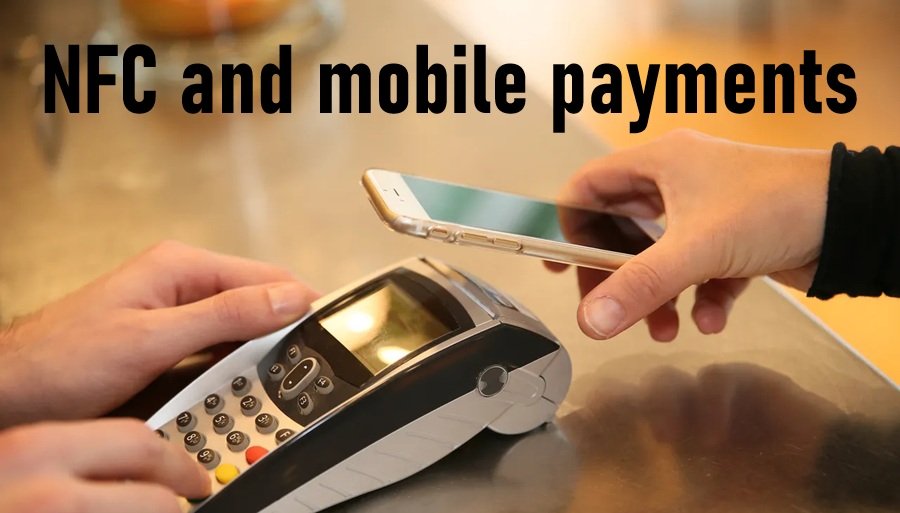
NFC and cellular bills are paid through an easy faucet-and-pay technique.
Step with the useful resource of the Step Process:
- The user unlocks their smartphone
- The mobile wallet is activated
- The device is placed close to the price terminal
- NFC chip transmits encrypted charge data
- Payment gateway strategies the transaction
- The bank verifies and authorizes the charge.
- Confirmation is displayed
This whole way takes a first-rate deal much less than 2 seconds.
History and Evolution of NFC Payments
- 2002 – NFC generation introduced
- 2011 – First NFC smartphones launched
- 2014—Apple Pay brought
- 2016–2020—Rapid adoption worldwide
- Post-2020—COVID-19 stepped forward contactless payments
Today, NFC bills are extensively normal in retail, shipping, healthcare, and hospitality sectors.
Types of Mobile Payment Technologies
| Technology | Description | Example |
|---|---|---|
| NFC | Contactless tap payments | Apple Pay |
| QR Codes | Scan-and-pay method | Google Pay |
| UPI | Bank-to-bank instant payments | PhonePe |
| SMS Payments | Payment via text messages | Carrier billing |
| In-App Payments | Payments inside apps | Amazon Pay |
NFC vs Other Mobile Payment Methods
NFC stands proud because of its pace, safety, and ease of use, in comparison to QR codes or SMS payments that require more steps.
Devices That Support NFC and Mobile Payments
- Smartphones (Android & iOS)
- Smartwatches
- Tablets
- Contactless POS terminals
- NFC-enabled playing playing cards
Popular NFC and Mobile Payment Apps
| App Name | Platform | NFC Support |
|---|---|---|
| Google Pay | Android | Yes |
| Apple Pay | iOS | Yes |
| Samsung Pay | Android | Yes |
| Paytm | Android/iOS | Limited |
| PhonePe | Android/iOS | Limited |
Use Cases of NFC and Mobile Payments
- Retail purchasing
- Public transportation
- Online-to-offline bills
- Event ticketing
- Hotel check-ins
- Healthcare billing
Benefits of NFC and Mobile Payments
For Consumers:
- Faster transactions
- No need to preserve cash
- Enhanced safety
- Easy fee tracking
For Businesses:
- Reduced cash dealing with
- Faster checkout
- Improved customer enjoy
- Better transaction statistics
Challenges and Limitations
- Limited NFC terminals in rural areas
- Device compatibility issues
- Battery dependency
- Privacy troubles
Security Features in NFC and Mobile Payments
Security is a primary strength of NFC payments.
Key Security Measures:
- Tokenization
- Biometric authentication
- Encryption
- Device-based authorization
- Real-time fraud detection
NFC and Mobile Payments in Different Industries
| Industry | Use Case |
|---|---|
| Retail | Contactless checkout |
| Banking | Cardless ATM access |
| Healthcare | Patient billing |
| Transportation | Metro & bus payments |
| Hospitality | Room access & payments |
NFC Payments in India and Global Markets
India has a visible fast increase because of:
- Smartphone penetration
- Digital India initiative
- Growth of UPI and wallets
Globally, international locations just like the USA, UK, Japan, and South Korea lead NFC adoption.
Role of Banks and FinTech Companies
Banks ensure compliance and protection at the same time as fintech businesses strain innovation via growing character-friendly charge solutions.
NFC and Mobile Payments for Businesses
Businesses advantage through:
- Reduced operational expenses
- Faster settlements
- Improved analytics
- Enhanced patron loyalty
Consumer Adoption Trends
- Younger customers adopt faster
- Urban regions lead utilization
- Wearable payments are developing
- Trust in virtual payments is growing
NFC Payment Transaction Flow (Step-via-Step Table)
| Step | Action |
|---|---|
| 1 | User initiates payment |
| 2 | NFC connection established |
| 3 | Encrypted data sent |
| 4 | Bank authorization |
| 5 | Payment completed |
Comparison Table: NFC vs Cash vs Cards
| Feature | NFC | Cash | Cards |
|---|---|---|---|
| Speed | Very Fast | Slow | Moderate |
| Security | High | Low | Medium |
| Convenience | High | Low | Medium |
| Tracking | Yes | No | Yes |
Advantages and Disadvantages Table
| Advantages | Disadvantages |
|---|---|
| Contactless | Device dependency |
| Secure | Limited acceptance |
| Fast | Battery required |
| Convenient | Tech learning curve |
Future of NFC and Mobile Payments
The destiny includes:
- Wearable payments
- IoT integration
- AI-powered fraud detection
- Blockchain-based safety
- Global interoperability
NFC and cellular payments will speedily grow to be the default price approach worldwide.
NFC and Mobile Payments FAQs
Is NFC charging safe?
Yes, NFC uses encryption and tokenization, making it pretty normal.
Do NFC payments require internet?
Not continuously; a few transactions were paintings offline.
Can NFC payments be hacked?
The risk is pretty low due to brief variety and encryption.
Final Thoughts
NFC and cell bills are reworking the way we pay through presenting tempo, safety, and comfort. As digital adoption maintains its upward thrust, NFC-based totally secure payments will surely play a crucial function in shaping the future of global financial transactions.
Disclaimer
This article is for informational purposes only. It does not constitute financial, legal, or professional advice. Technologies, regulations, and services related to NFC and mobile payments may change over time. Always consult qualified professionals and verify information independently before making decisions or transactions based on personal circumstances alone.